
Lisle Address Records by Era
The backward trail changes with the date. Current parcel tools establish the modern property, while older county books and local-history collections bridge the years before address searching became available online. The table separates what each source can actually show.
| Source | Years It Covers | Where Held | What It Shows |
|---|---|---|---|
| Recorder office research | 1839 to present | DuPage Recorder | Older instruments and party indexes |
| Online recorded images | March 16, 1961 to present | Recorder Online Documents | Recorded parties, dates, types, images |
| Online PIN search | 1985 to present | Recorder search | Documents tied to a parcel identifier |
| Online address search | 1995 to present | Recorder search | Instruments indexed to street and city |
| Regional directories | 1923 to 1928 verified | Naper, Newberry, IDA | Names, printed places, household clues |
| Census collections | 1840 to 1950 by repository | Naper and library databases | Households and township context |
| Lisle Sun | Selection from the 1940s | Lisle Library | Obituaries, sales, and local events |
A blank web result is not proof of a gap. The cutoffs explain why past residents may require a public terminal, research-desk call, shelf volume, or microfilm reel.
Start Lisle Previous-Resident Research
Open the DuPage Property Records Search and resolve the present address to its PIN, or parcel identification number. Save the situs address, the physical property location, separately from the billing address. A mailing recipient may be an owner, trust, or agent. The card does not prove occupancy.
The card also supplies legal-description clues that survive spelling changes and postal shifts. The successful manifest image comes from an official sample parcel card.
View the DuPage assessor sample parcel card.
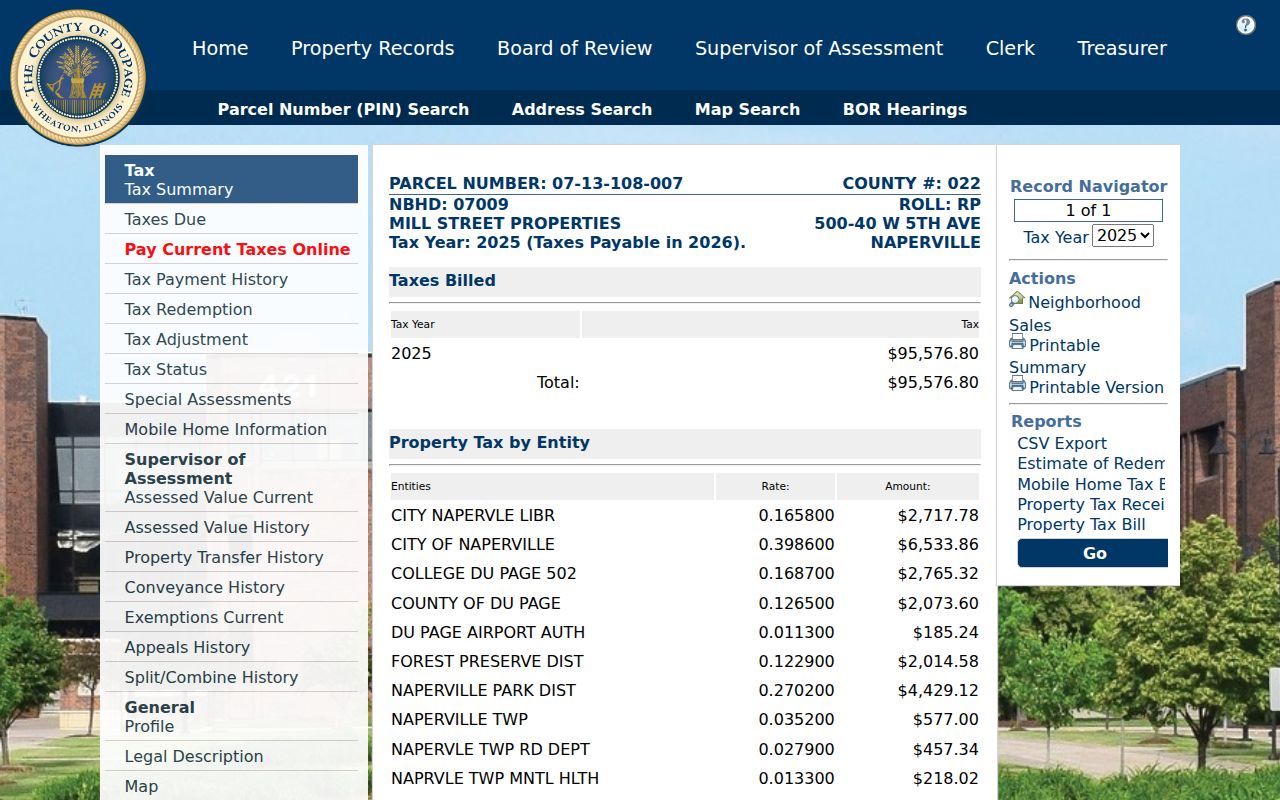
Its PIN, tax year, sales links, and document references provide leads. Each historical claim still needs a dated source record.
Walk Lisle Deeds Backward
The DuPage Recorder search accepts party names, property fields, PIN, document number, type, and dates. Begin with the newest verified deed, then follow each seller to the instrument by which that seller obtained title.
- Copy the current PIN and legal description from the assessor card.
- Find the current purchase by document number, PIN, address, or name.
- Read the deed for parties, recording date, type, and prior references.
- Search the grantor as a grantee to locate the earlier purchase.
- Repeat until online coverage ends, then contact the research desk.
- Grantor and grantee
- The grantor transfers an interest; the grantee receives it.
- Chain of title
- The linked sequence of transfers for one parcel.
- Legal description
- The lot, block, subdivision, or survey description, not merely a postal address.
For older numeric references, the official Book and Page route is another entry point. Confirm its coverage with the Recorder.
Lisle Deed Coverage Has Layers
Online indexed documents and images begin March 16, 1961, PIN searching begins in 1985, and address searching begins in 1995. Office property research reaches back to DuPage County’s 1839 origins. This corrects a common myth: not found online does not mean never recorded.
Call the research line at 630-407-5401 or use public terminals at 421 N County Farm Road, Wheaton, when the chain crosses an online boundary. Certified copies come from the office. Illinois FOIA may reach administrative maps, but it does not replace a recorded instrument.
Note: Preserve document numbers, dates, and party roles so another researcher can reproduce the same Lisle deed chain.
Lisle Plats Preserve Parcel Identity
Addresses can fail when parcels split, lots combine, or an instrument uses a subdivision name. Plats show the legal layout of lots, streets, easements, and rights-of-way. Search the Recorder by document group or subdivision and compare results with parcel geometry.
The Lisle meeting archive notes that some address documents must be recorded with DuPage County and may not appear in the Village system until returned. Check both custodians for an annexation, subdivision, easement, or road matter.
Find 1920s Lisle Households
Ownership is only half the history. Naper Settlement holds verified 1923–24 Naperville, Lisle and Eola and 1924–25 DuPage directories. The public-domain 1925–26 McDonough directory has 1,188 scanned pages, residents listed by city, and a rural section. Newberry lists Lisle under DuPage County from 1925 through 1928.
Search Lisle and the rural section. Also test Eola, Naperville, DuPage County, and township labels. Preserve printed spelling and page number. The holdings are detailed on the Lisle city directories page.
Note: No continuous Lisle reverse directory run was verified, so ask a repository before citing one.
Pair Lisle Census and News
Use directory years as anchors, then compare nearby census years. Naper Settlement lists DuPage materials from 1840 through 1920 in specified formats. HeritageQuest, remotely available to Lisle Library cardholders, includes extant federal census images through 1950. Ancestry Library Edition is available inside the library.
- Record the directory name, place, year, page, and address.
- Search the closest census under Lisle, the historical township, and nearby labels.
- Compare names, ages, relationships, and nearby households.
- Check newspaper microfilm for a sale, obituary, anniversary, or civic notice.
- Return to deeds or probate files to resolve conflicting identities.
A census records one date and geography. A directory reflects its publication cycle. Two independent dated sources make a stronger household conclusion.
Lisle House-History Help
The Lisle Library local-history desk holds books, maps, and selected Lisle Sun microfilm from the 1940s. Adult Services can identify a reel, shelf item, database, or scan when given a surname, year, street, and desired record type. The contact is adultservices@lislelibrary.org, and the library is at 777 Front Street in Lisle. Calling 630-971-1675 before a visit can save time when the needed year is on film or in a licensed database.
The DuPage County Historical Museum offers vertical files, platbooks, newspapers, directories, and 1950s to 1970s real-estate material, with archives by appointment. Its files can bridge a deed citation to a subdivision, organization, biography, or newspaper clipping. Naper Settlement supplies the confirmed directory shelf, while IRAD points to older land and local-government series. Newberry is a holdings locator for the 1925 through 1928 Lisle entries, not proof that every volume is downloadable.
Include the exact printed address, every known surname spelling, an approximate date, the last source checked, and whether a scan or citation is needed. Ask which access channel applies: an online image, an in-library database, a shelf book, microfilm, an on-site appointment, or a staff response. A focused request keeps the same unproductive search from being repeated at several repositories.
Five Lisle Settlers Leave Clues
The Village’s Lisle Cemetery history names Luther Hatch, James Crombie Hatch, A.B. Chatfield, John Graves, and George Willard among early settlers. Those names create place-based genealogy leads across land, census, newspaper, and probate files. The page does not provide a searchable burial index.
See the official Lisle Cemetery history.
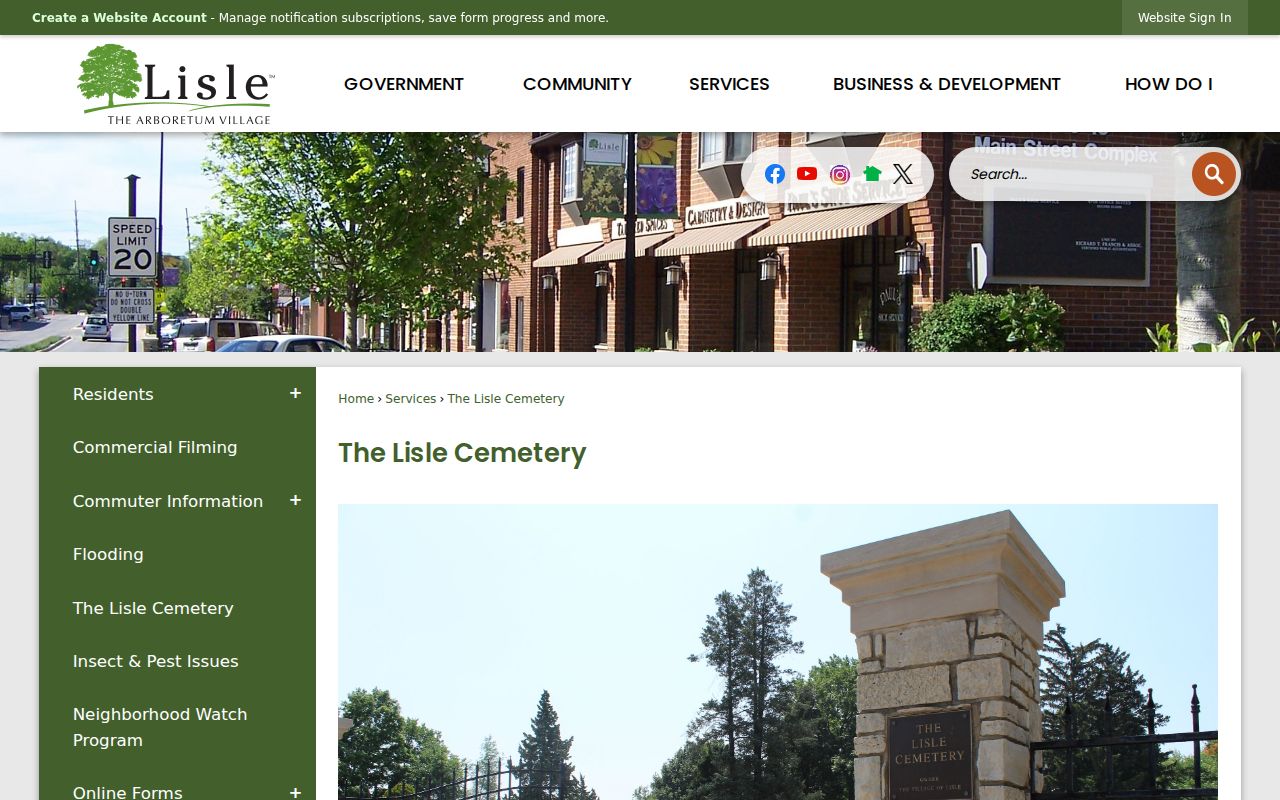
The image confirms the institutional source. A deed, census, directory, or burial record must still support an individual conclusion.
Close Lisle Resident Trails Carefully
Obituaries and probate or other historical court files can explain why a name leaves the trail. Begin with library newspapers and Museum clippings. The DuPage Circuit Clerk copy route explains how to request available records.
Review historical court-copy options.
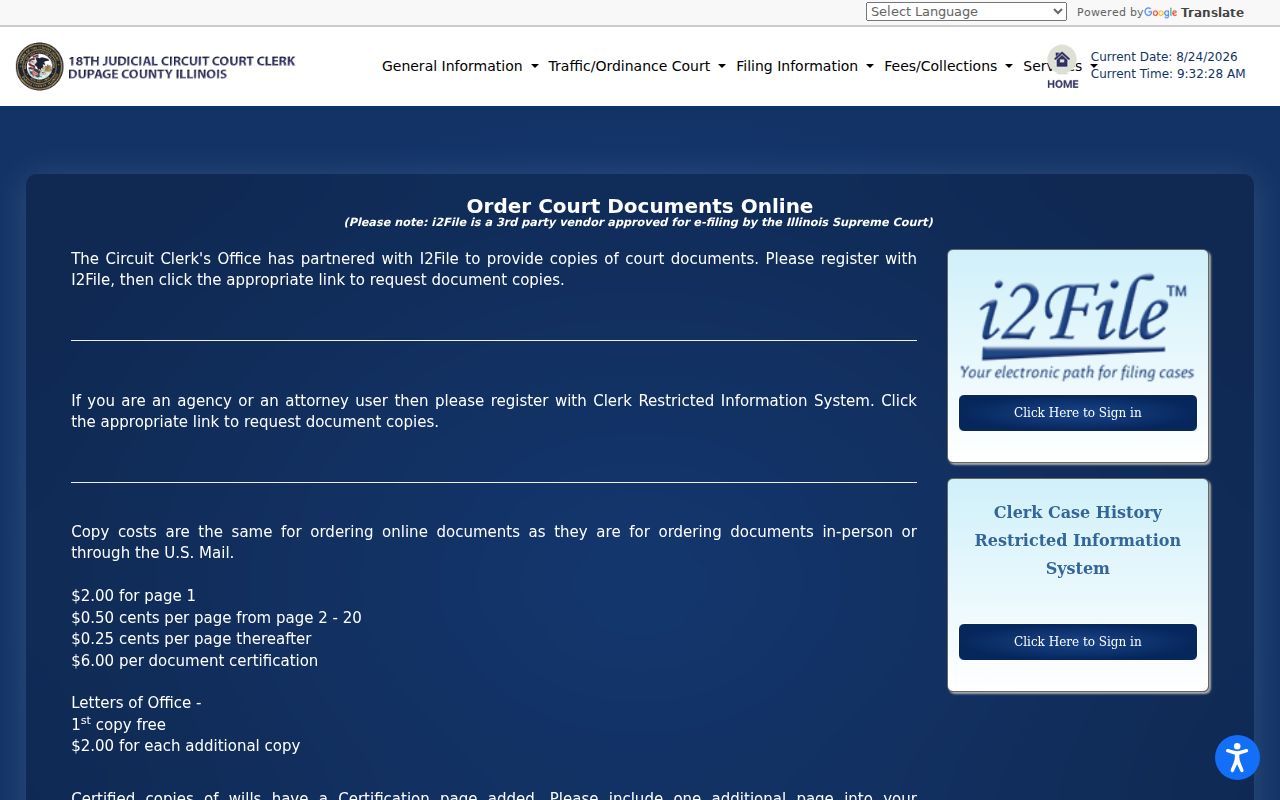
Some files are sealed, impounded, or restricted. Absence from the public route is not proof that no case existed.
Lawful use. Research previous residents for house history, family history, or personal curiosity. Never use an address trail to watch, harass, threaten, or harm a living person.